
Article: A Guide to Sunglass Lenses: What are the differences?

A Guide to Sunglass Lenses: What are the differences?
When it comes to buying a sunglasses, we tend to focus primarily on style and colour. Questions like whether the frame suits our face shape, or if the colour matches you go-to outfits, are the main thoughts that we have when trying to shop for a new pair of shades. But the lens should also be a key part of that decision making. When shopping, you'll encounter terms like polarised, mirrored and gradient lenses often without much explanation of what they actually mean for you day to day. This guide cuts through the confusion so when you next shop, you will have the information in hand to pick the sunglasses that are best for you.
Standard Lenses
Standard lenses are exactly what they sound like, tinted glass lenses that reduce the overall amount of light reaching your eyes. They offer the requiered UV protection and are perfectly adequate for general use, but they don't do anything extra to address glare specifically.
For everyday wear in the UK for example walking the dog or a weekend in the garden, a quality pair of standard lenses does the job well. All of the designer collections at Go Sunglasses include standard lens options across a wide range of tints and colours.
Polarised Lenses
Polarised lenses are where things get genuinely useful. Rather than simply darkening your view, they contain a filter that blocks horizontal light waves. This helps block out reflected light waves from surfaces such as snow and water, giving you enhanced clarity and greater protection.
The difference in real-world use is significant. If you find yourself squinting on bright days even with sunglasses on, polarised lenses are a meaningful upgrade. They reduce eye strain and discomfort, making prolonged wear far more comfortable.
Oakley and Ray-Ban both produce excellent polarised options with their own unique lens technology respectively. As does Polaroid, a brand built entirely around the technology and one of the most accessible entry points for anyone new to polarised eyewear.
One caveat worth knowing: polarised lenses can interfere when interacting with technology screens e.g. sat nav displays for instance, and the highest rated polarised lenses (Category 4) can make low light surroundings even darker, so they're worth being aware of in those specific contexts.
Mirrored Lenses
Mirrored lenses have a reflective coating on the outer surface that bounces light away before it even reaches the lens itself. This makes them particularly effective in very bright conditions, where the UV intensity is extreme.
They also tend to make a strong visual statement, which is part of their appeal. The reflective finish has been a staple of both sportswear and fashion eyewear for decades, and they remain one of the most distinctive looks in sunglasses.
It's worth noting that mirrored and polarised aren't mutually exclusive, many premium lenses combine both. An Oakley with a mirrored finish, for example, will often also be polarised, giving you both the glare-cutting technology and the light-deflecting outer coating.
Gradient Lenses
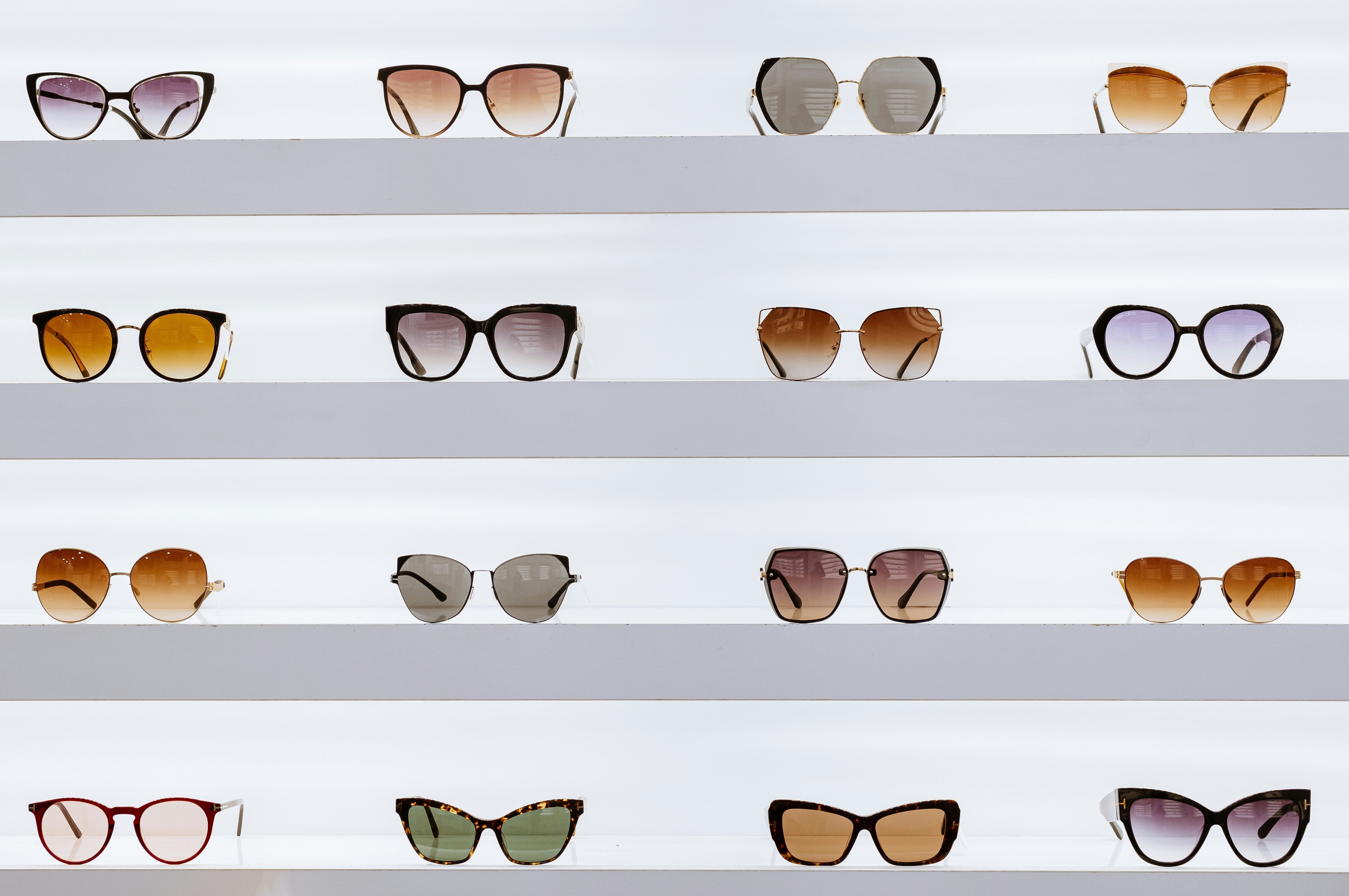
Gradient lenses have a two tone tint, gradually getting lighter from top to bottom. The advantage of this design is that the darker shade reduces the glare from the sun above while the lower shade at the bottom, allows greater visibilty.
This mixed design is great for activities such as driving where, not only will the blinding glare be blocked out, the lighter tint will also allow you to see safely especially when moving from light to dark environments, making these lenses highly practical.
Our Roberto Cavalli collection all have gradient lenses in a variety of colours but in addition, we have a variety of different frames as well which accomodate all styles and preferences.
So, Which Should You Choose?
The honest answer depends entirely on how you plan to wear them.
For everyday use with no particular demands, a well-made standard lens is fine. If glare is a regular issue from driving, water activities, or simply long days in bright light, polarised and gradient lenses is the upgrade worth making. And if you're after maximum performance in intense conditions, or simply want that distinctive reflective look, mirrored lenses are the natural choice.
All our brands are CE and UKCA compliant (These marks can be found in the inner arm of the sunglasses) meaning, they block 95% of UVA and UVB rays. Look out for a UV400 label if you are after maximum eye protection.
At Go Sunglasses, you'll find all four types of lenses across a range of leading brands, with free 1-2 day UK delivery.
Browse the full collection at GoSunglasses.co.uk